
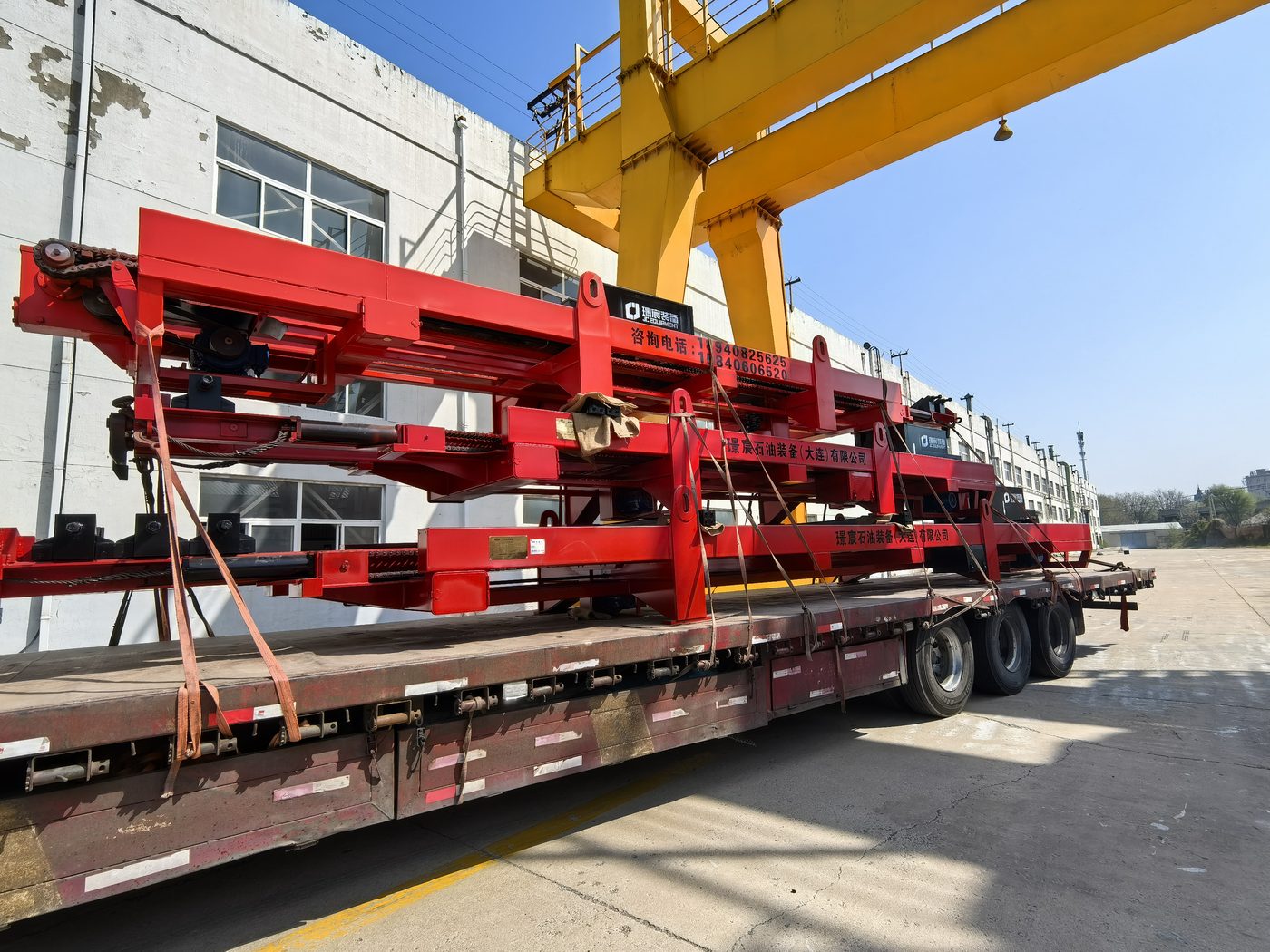
Pulling capacity is one of the first specifications buyers compare when selecting a tube bundle extractor. The correct value cannot be selected from bundle weight alone. The machine must overcome the actual axial resistance that holds the bundle inside the exchanger shell, particularly during the first movement.
Bundle weight and required pulling force are different engineering inputs. Weight describes the load to support. Pulling force describes the resistance that must be overcome to release and move the bundle.
Why Bundle Weight Is Not Pulling Force
A bundle may weigh less than the resistance created by fouling, corrosion, deposits, adhesion, distorted supports or poor alignment. The initial breakaway force can therefore be substantially different from the static load shown on the exchanger drawing.
The selection review should separate two questions: what load must be supported, and what force may be required to start and continue axial movement. Both affect the final equipment configuration.
Factors That Affect Required Pulling Force
Bundle weight
Weight is the starting load reference. Confirm whether it includes the complete bundle, tube sheets, retained residue and any attachments relevant to the lifting and support plan.
Fouling, corrosion and adhesion
Deposits and corrosion products can increase friction or bind the bundle to the shell. Long service intervals and difficult previous extractions are important warning signs.
Bundle length and support
Long bundles need stable support throughout travel. Sagging or uneven support can increase resistance and make alignment harder to maintain.
Exchanger centreline and alignment
The pulling line should match the exchanger centreline as closely as the approved procedure requires. Misalignment can create additional drag and local loading.
Working clearance and site conditions
Pipe racks, platforms, nearby equipment, restricted travel and ground or platform limits can affect how the extractor is positioned and supported.
A Practical Pulling-Force Selection Process
- Confirm bundle weight, length and diameter from current drawings or field records.
- Review previous extraction reports and ask whether the bundle was stuck or difficult to release.
- Assess fouling, corrosion, deposits and the time since the last removal.
- Confirm exchanger centreline height, pulling direction and available extraction space.
- Plan how the exposed bundle will be supported throughout travel.
- Apply an engineering margin based on uncertainty and project conditions.
- Review the proposed capacity with the equipment supplier before final selection.
How to Use the Qingwei Capacity Ranges
Qingwei's confirmed overall range extends from 15T to 125T. The public 25T, 45T, 65T and 100T pages explain where each capacity range may fit, but they are not a substitute for a project review.
- 25T range for smaller bundle dimensions and lower reviewed resistance.
- 45T range when the 25T basis does not provide enough margin.
- 65T range for larger bundles or more demanding breakaway conditions.
- 100T range for heavy-duty projects after support, space and transport review.
Does Diesel or Electric Power Change the Capacity Decision?
Power-source selection and pulling-capacity selection are related but separate decisions. Choose a Diesel model or electric model around the site's available utilities and restrictions, then confirm that the selected configuration provides the required pulling force, working length and support arrangement.
Information to Send for Technical Review
- Bundle weight, length and diameter.
- Heat exchanger drawing and centreline height.
- Available straight-line extraction space.
- Previous extraction condition and fouling history.
- Site photos, access restrictions and lifting arrangement.
- Diesel or electric preference and available power.
Send your bundle data for a project-specific capacity review.