
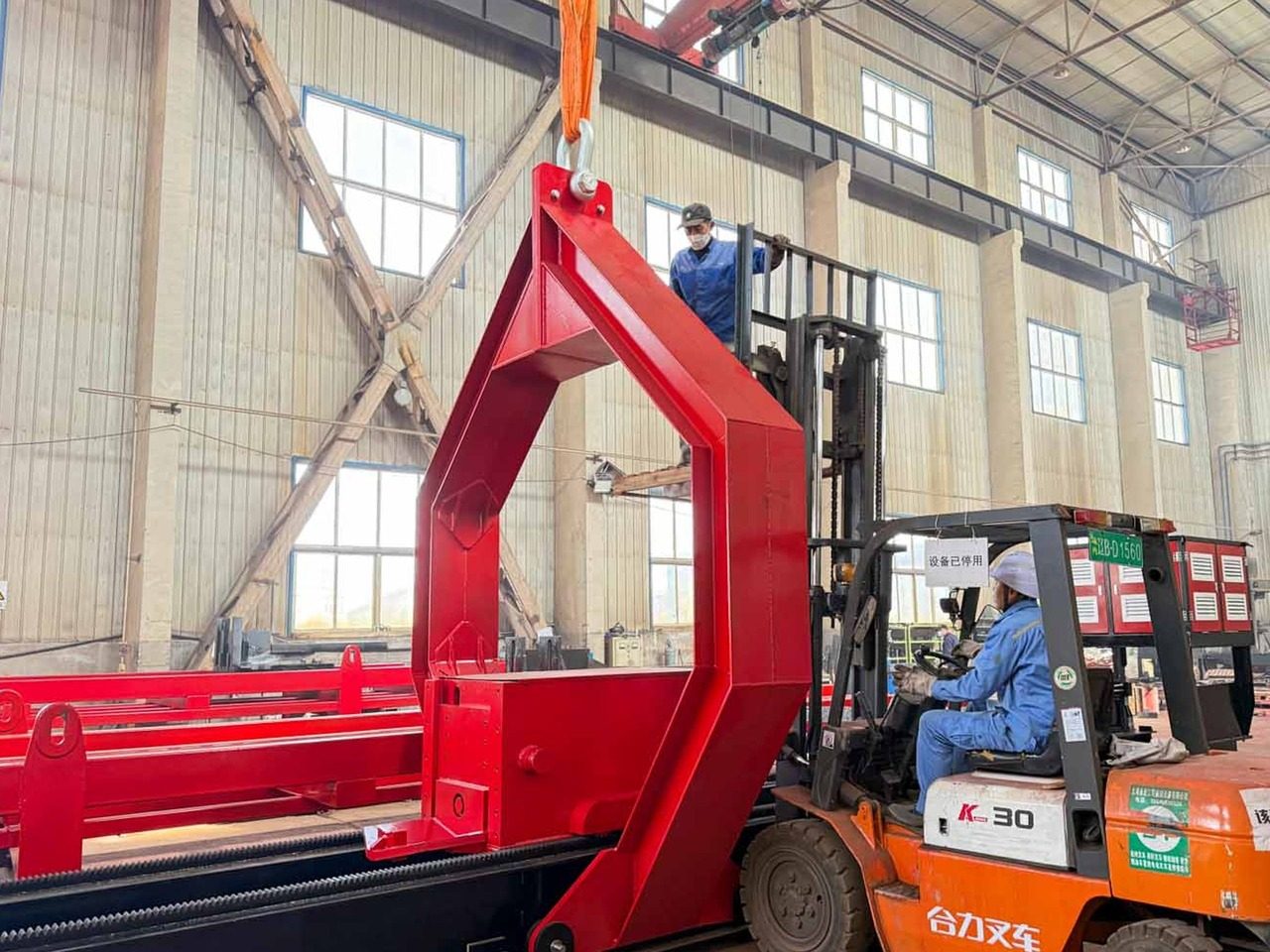
Tube bundle extraction is a critical step in many shell and tube heat exchanger maintenance jobs. When the exchanger bundle is heavy, fouled or difficult to access, the planning work done before the turnaround can be just as important as the pulling operation itself. A suitable tube bundle extractor, sometimes called a bundle puller, gives maintenance teams controlled pulling force, stable support and safer handling compared with improvised methods.
This guide is written for refinery, petrochemical plant, maintenance contractor, EPC and turnaround team members who need to prepare tube bundle extraction work in a practical way. It focuses on the information that should be collected, the equipment decisions that matter, and the safety checks that should be reviewed before the bundle is pulled.
Why Tube Bundle Extraction Planning Matters
In a refinery turnaround, many activities compete for the same cranes, access routes, laydown areas and manpower. If tube bundle extraction is not planned early, the job can be delayed by missing exchanger data, insufficient working space, unclear lifting points or a bundle puller that does not match the site conditions.
Good planning helps the team understand the pulling direction, bundle support method, travel distance and removal sequence before the equipment arrives. It also allows maintenance planners to coordinate scaffolding, lifting equipment, cleaning areas and inspection work so that the exchanger can move through the maintenance process with fewer interruptions.
Collect Basic Heat Exchanger Data Before the Job
The first step is to collect accurate information about the shell and tube heat exchanger. Drawings, previous maintenance records and field measurements should be reviewed together because actual site conditions may differ from design documents.
Key data to confirm
- Bundle weight: include fouling, retained liquid risk and any additional lifting accessories.
- Bundle length: confirm the full travel distance required to remove and support the bundle.
- Bundle diameter: check clearance around the shell, saddle and extractor frame.
- Pulling direction: verify whether the bundle will be extracted from the channel side or the opposite side.
- Site access: confirm road width, turning space, platform restrictions and crane availability.
- Working height: review whether the exchanger is at grade, elevated on a structure or inside a congested unit.
When this information is collected early, the team can select the right tube bundle extractor configuration and avoid last-minute changes during shutdown maintenance.
Choose the Right Tube Bundle Extractor Capacity
Capacity selection should not be based only on rated pulling tonnage. Pulling force is important, but stability, stroke, frame strength, bundle support, operating space and control method also affect field performance. A heavy bundle with difficult fouling may require a larger safety margin than a clean bundle with predictable movement.
For example, a high-capacity diesel machine may be suitable for large outdoor exchangers where power supply is limited. An electric bundle puller may be a better option for workshops, indoor maintenance areas or sites with stricter emissions requirements. Qingwei provides both diesel tube bundle extractor and electric tube bundle extractor options for different turnaround conditions.
Check Site Access and Working Space
Even when the extractor capacity is correct, poor access can slow the job. Before mobilization, the team should check whether the machine can be transported to the exchanger, positioned in line with the shell and operated without interfering with nearby piping, structures or other work groups.
Working space should also include room for operators, hydraulic hoses or power cables, remote controls, bundle support stands and safe escape routes. If access is limited, the team may need a customized frame, special rails or a different extraction sequence.
Diesel or Electric Bundle Puller: Which Is Better for the Site?
Both diesel and electric bundle puller systems can be effective when selected correctly. The decision should be based on site conditions rather than preference alone.
Diesel bundle puller
A diesel unit is often preferred for outdoor refinery turnaround work, remote units and jobs where stable electrical power is not available. It offers independent power and strong pulling performance for heavy-duty tube bundle extraction.
Electric bundle puller
An electric unit is suitable for sites with reliable power supply, indoor work areas, lower noise requirements or projects where emissions control is important. It can also support precise movement and stable operation.
For a broader view of application scenarios, see Qingwei's tube bundle extraction solutions page.
Safety Points Before Pulling the Tube Bundle
Safety planning should be completed before the first pull. A tube bundle may move suddenly if fouling releases, if support is uneven or if pulling alignment is poor. The team should confirm that all personnel understand the exclusion zone, communication method and stop-work conditions.
Pre-pull safety checks
- Confirm the bundle weight and expected pulling resistance.
- Check that the extractor is aligned with the heat exchanger shell.
- Verify support points under the bundle during extraction and reinsertion.
- Inspect hydraulic, mechanical or electrical systems before operation.
- Keep personnel clear of pinch points, suspended loads and the pulling line.
- Use remote operation where practical to reduce exposure near the bundle.
These checks are especially important in petrochemical maintenance projects where multiple contractors may be working in the same area during the shutdown.
How Qingwei Equipment Supports Turnaround Maintenance
Qingwei Equipment focuses on tube bundle extractor and bundle puller systems for heat exchanger maintenance. For turnaround planning, the team can review exchanger drawings, bundle dimensions, site access information and project requirements to recommend a practical equipment configuration.
Support may include model selection, pulling capacity review, diesel or electric configuration discussion, working length confirmation and basic layout suggestions. If your team is preparing an RFQ or checking whether an extractor can fit your site, you can contact Qingwei Equipment with exchanger data and project conditions.
Final Thoughts
Tube bundle extraction work is easier to control when the planning is done early. The most successful turnaround teams confirm exchanger data, select the correct bundle puller capacity, review access restrictions, prepare the work area and align safety responsibilities before the shutdown begins.
A well-planned tube bundle extraction process can help reduce delays, improve handling safety and support a more predictable refinery turnaround schedule.