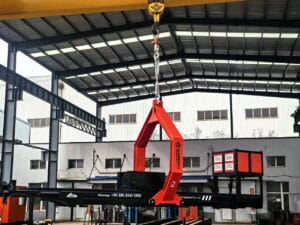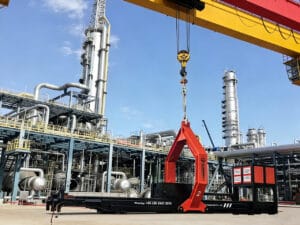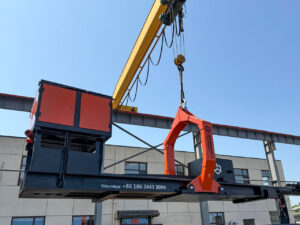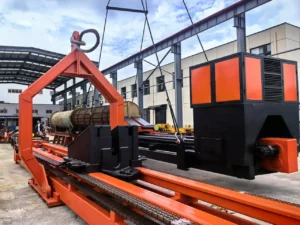
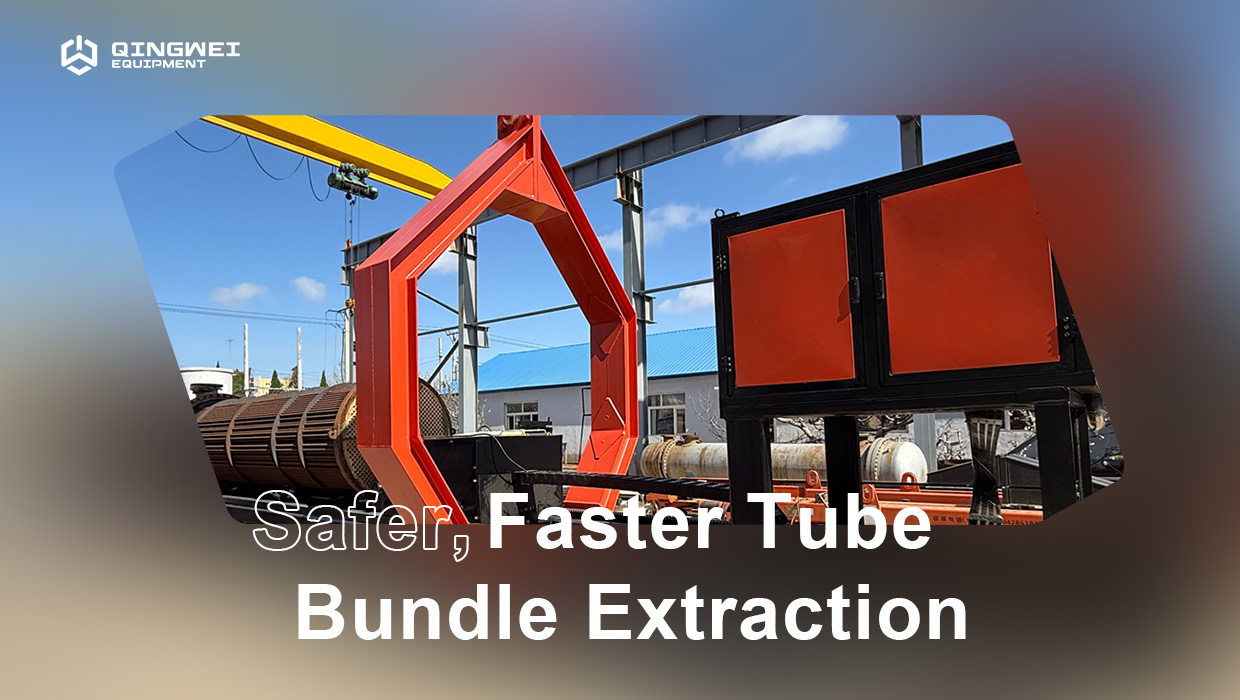
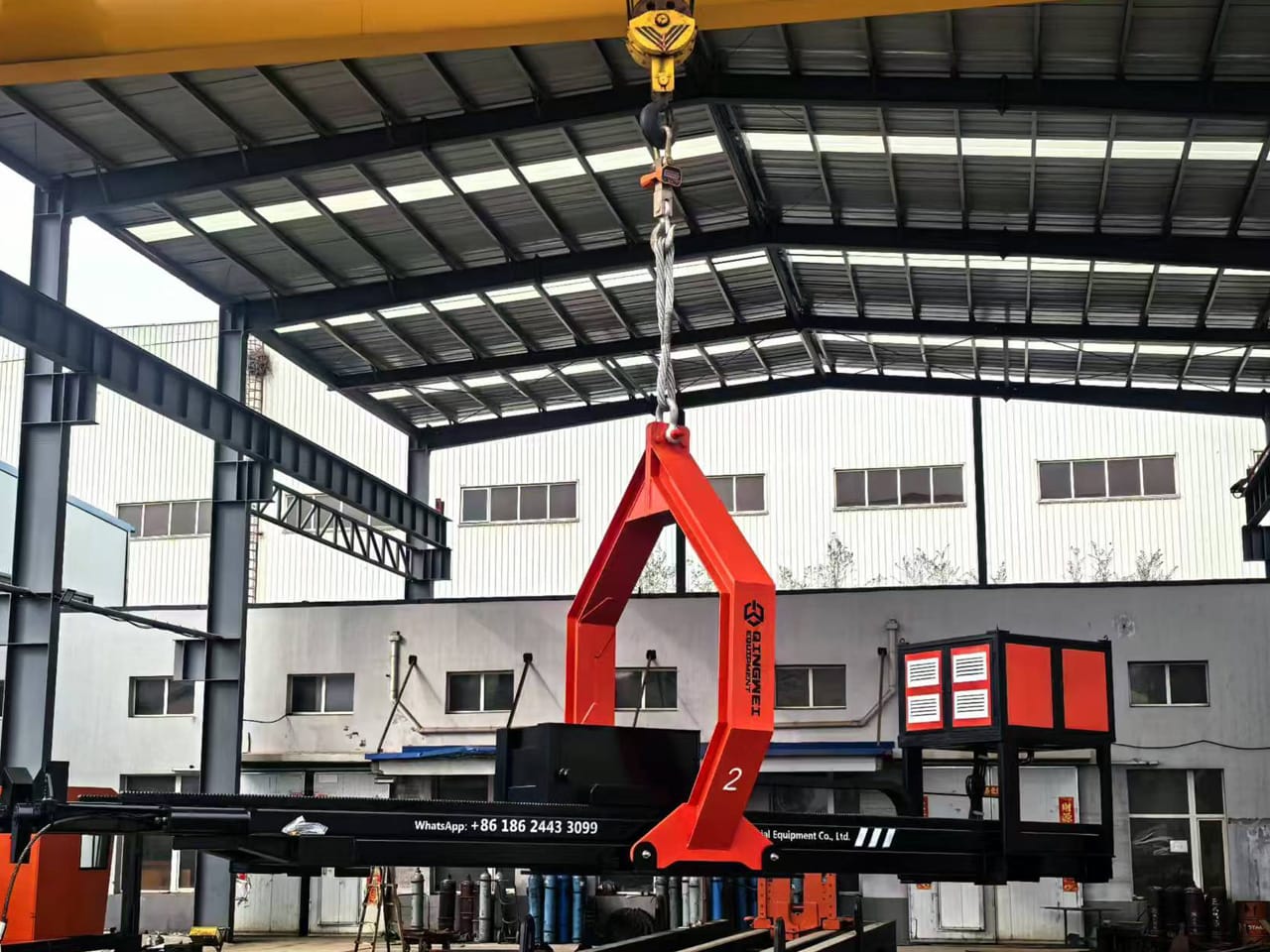
In heat exchanger maintenance, choosing the right bundle extractor is not only a technical decision, but also an operational one. The power source of the machine can directly affect mobility, site adaptability, safety, working efficiency, and shutdown planning. For refinery owners, maintenance contractors, and EPC teams, one common question is this: should you choose a diesel bundle extractor or an electric bundle extractor?
The answer depends on your project conditions. Both types are designed to remove and reinstall heat exchanger tube bundles safely and efficiently, but they perform differently in different operating environments. If you are planning a refinery turnaround, shutdown maintenance, or routine exchanger service, understanding the differences between these two options can help you make a more suitable investment.
Why the Power Source Matters in Tube Bundle Extraction
A tube bundle extractor is used to pull out and push back the bundle of a shell-and-tube heat exchanger during cleaning, inspection, repair, or retubing work. In many plants, this work is time-sensitive. Delays in extraction can extend shutdown periods, increase labor pressure, and affect the overall maintenance schedule.
That is why the choice between diesel and electric models matters. The working environment, available power supply, plant regulations, and frequency of maintenance all influence which type of bundle extractor is more practical.
A well-matched machine can help your team improve pulling efficiency, reduce manual handling, lower crane dependency, and create a safer and more controlled maintenance process. You can also learn more about complete tube bundle extraction solutions for refinery and petrochemical maintenance.
What Is a Diesel Bundle Extractor?
A diesel bundle extractor is a self-contained hydraulic pulling system powered by a diesel engine. Because it does not rely on external electricity, it is often chosen for outdoor jobs, remote locations, and large turnaround projects where flexibility and mobility are important.
Diesel-powered bundle extractors are commonly used in refineries, petrochemical plants, power stations, and offshore or temporary maintenance sites. They are especially suitable when site power is limited or when the machine must move across multiple units during shutdown work.
Main Advantages of a Diesel Bundle Extractor
- No external power required – A diesel unit can operate independently, which is ideal for sites without a stable power supply.
- Better mobility for outdoor projects – For large refinery shutdowns or scattered exchanger locations, diesel units are often easier to deploy.
- Strong adaptability in heavy-duty field conditions – Diesel-powered systems are widely preferred for demanding maintenance environments, especially where bundles are heavy, fouled, or difficult to extract.
- Suitable for urgent and temporary maintenance tasks – When a bundle extraction task must be performed quickly on site, a self-contained diesel unit can reduce preparation time.
What Is an Electric Bundle Extractor?
An electric bundle extractor is powered by an electric motor and is often selected for plants with a stable power source and stricter requirements on emissions, noise, and indoor operating conditions.
Electric models are popular in enclosed areas, regular maintenance programs, and facilities where cleaner operation is preferred. In some plants, the lower noise level and absence of on-site exhaust emissions make electric bundle extractors a more suitable option than diesel-powered units.
Main Advantages of an Electric Bundle Extractor
- Cleaner on-site operation – Electric models do not produce on-site exhaust emissions, which is valuable for indoor or controlled environments.
- Lower operating noise – In plants where noise control matters, electric equipment can improve working conditions.
- Good fit for stable plant utilities – If the site already has reliable power infrastructure, electric operation can be efficient and practical.
- Suitable for plants with stricter environmental requirements – Many modern industrial facilities prefer electric equipment where possible for cleaner daily operation.
Diesel vs Electric Bundle Extractor: Key Differences
When comparing diesel vs electric bundle extractor options, buyers should focus on real project needs rather than general preference.
1. Power Availability
If your project is in a remote location or an outdoor shutdown area without dependable electricity, a diesel bundle extractor is usually the better choice.
If your plant has stable electrical infrastructure and the maintenance area supports electric operation, an electric model can be a very efficient solution.
2. Working Environment
Diesel bundle extractors are ideal for open, outdoor, and flexible field applications. They are often selected for multi-unit refinery shutdowns and remote maintenance tasks.
Electric bundle extractors are usually better for indoor work, enclosed areas, or plants with stricter emission and noise standards.
3. Mobility
Diesel models are generally stronger in terms of field mobility because they do not depend on a power cable or plant utility connection.
Electric models may be more suitable when the machine works in a relatively fixed area and power access is already planned.
4. Maintenance Preference
For occasional heavy-duty shutdown work, many contractors prefer diesel units because of their self-contained design and site flexibility.
For regular, repeatable maintenance inside a plant, electric units can be easier to integrate into existing utility conditions.
5. Environmental and HSE Considerations
Both types can improve safety compared with manual extraction methods, but electric units may offer additional advantages in environments where noise, ventilation, and local emissions must be controlled more carefully.
Which Type Is Better for a Refinery Turnaround?
There is no single answer for every plant. The better option depends on the maintenance scenario.
A diesel bundle extractor is often the better choice when:
- the job is outdoors
- the site has no stable electricity
- the maintenance team needs to move between different exchangers
- the bundles are heavily fouled or difficult to extract
- fast deployment is more important than utility integration
An electric bundle extractor is often the better choice when:
- the site has reliable electrical power
- the work is carried out in enclosed or indoor areas
- lower noise is preferred
- cleaner on-site operation is required
- the plant has stricter environmental control standards
In practice, many buyers compare both options at the quotation stage and make the final decision after confirming project conditions.
Important Data to Confirm Before Selection
Before choosing between diesel and electric models, it is important to gather the main technical and jobsite information. This can help the supplier recommend the right pulling force, structure, and layout.
The most important data usually includes:
- bundle weight
- bundle length
- bundle diameter
- shell center height
- available working space
- site power condition
- operating environment
- project frequency
Without this information, it is difficult to determine whether a diesel or electric bundle extractor is truly the better fit. To discuss your project directly, you can contact our team here.
Why a Bundle Extractor Is Better Than Crane-Based Pulling in Many Cases
In many maintenance projects, plant teams are moving away from manual pulling or crane-based extraction and choosing dedicated tube bundle extractors instead.
The reason is simple: a dedicated bundle extractor provides more controlled pulling force, better bundle alignment, safer handling, and more predictable operation. It can also reduce manpower requirements and improve HSE performance during shutdown work.
For heavy exchanger bundles, especially in tight maintenance areas, using a purpose-built machine often creates a safer and more efficient workflow than relying on general lifting equipment alone. You can read more about this process on our Solutions page.
How to Choose the Right Option for Your Project
If your maintenance project is in a remote refinery unit, temporary shutdown area, or outdoor jobsite, a diesel bundle extractor may provide better flexibility and quicker deployment.
If your project is inside a plant with stable utilities and higher environmental standards, an electric bundle extractor may be the more suitable and cleaner solution.
The best decision is usually based on three things:
- actual exchanger bundle data
- site conditions and available utilities
- turnaround objectives for safety, speed, and cost control
Rather than choosing only by habit or initial price, it is better to evaluate the complete operating scenario.
Final Thoughts
When comparing diesel vs electric bundle extractor options, buyers should focus on application fit, not just machine type. Both systems can improve heat exchanger maintenance efficiency, reduce risk, and support better turnaround planning when selected correctly.
A diesel bundle extractor is ideal for flexible, outdoor, and independent operation. An electric bundle extractor is ideal for cleaner, quieter, and utility-supported plant environments. The right choice depends on your exchanger data, jobsite condition, and maintenance goals.
If you are planning a shutdown or turnaround project, the best next step is to confirm your bundle weight, length, diameter, and site conditions before selecting a model. With the right information, it becomes much easier to choose the most suitable bundle extractor for safe and efficient operation.
Need Help Choosing the Right Bundle Extractor?
Need help choosing between a diesel and electric bundle extractor? Send us your bundle weight, length, diameter, and site conditions, and our team will recommend a suitable solution for your heat exchanger maintenance project.