
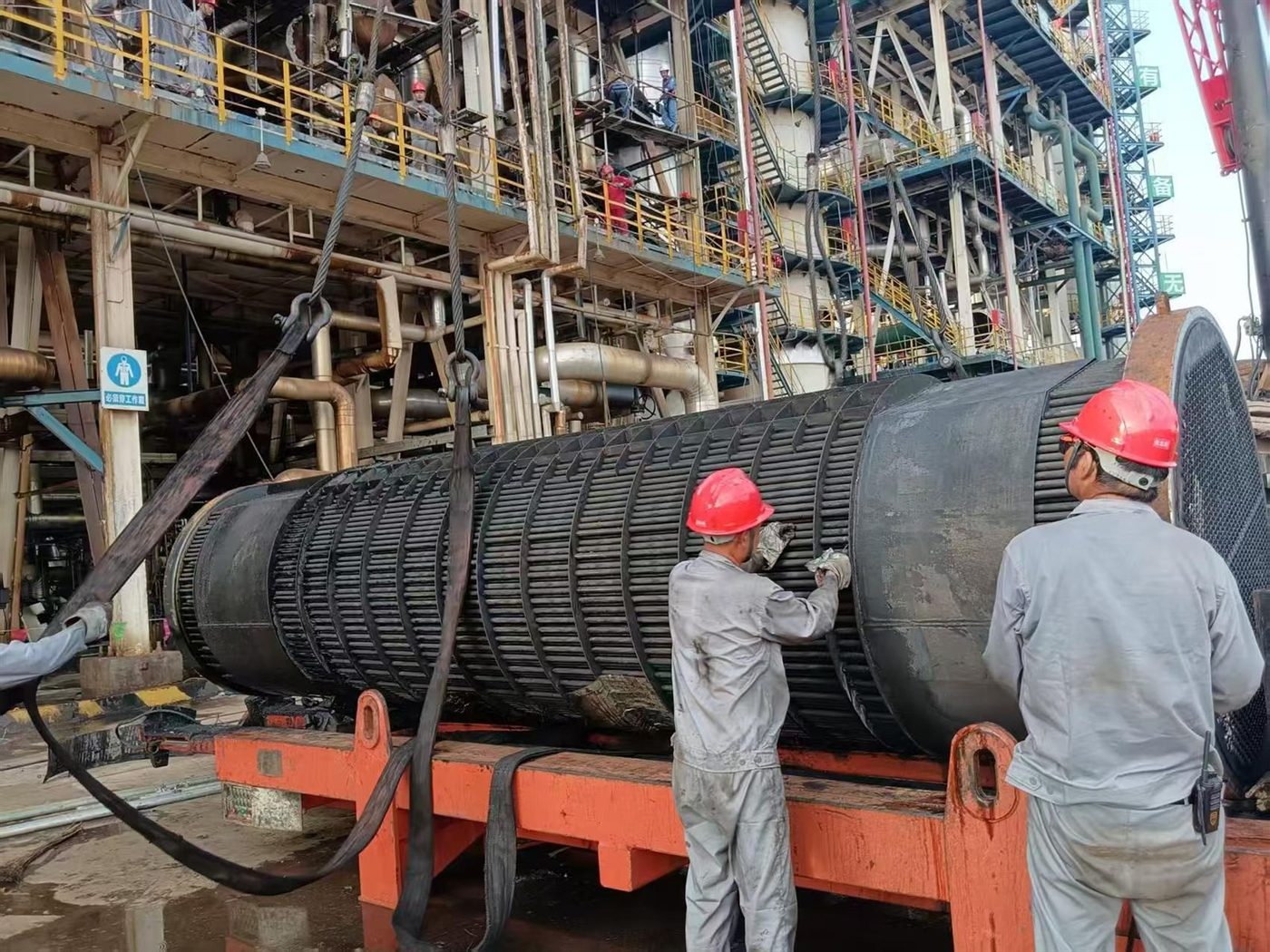
Tube bundle extraction is rarely a stand-alone task during a refinery turnaround or petrochemical shutdown. It usually sits between mechanical isolation, opening the heat exchanger, lifting preparation, bundle pulling, cleaning, inspection, repair and reassembly. When these activities are planned separately, the job can lose time even when the tube bundle extractor itself is ready.
For maintenance contractors, EPC teams and plant turnaround planners, the practical goal is not only to pull the bundle out of the shell. The goal is to move the bundle safely through each work stage with clear access, stable support and minimal waiting time. A well-selected tube bundle extractor or bundle puller can make the pulling step more controlled, but coordination with cleaning and inspection teams is what keeps the full maintenance flow predictable.
1. Start with the Full Maintenance Sequence
A shutdown schedule often lists heat exchanger maintenance as a single line item, but the work contains several linked operations. The exchanger must be isolated, opened, checked, prepared for pulling, extracted, cleaned, inspected, repaired if needed and then returned for reassembly. Each step depends on the previous step being completed in the right condition.
Before choosing equipment or confirming manpower, the team should map the full sequence for each shell and tube heat exchanger. This makes it easier to see where the bundle puller will be positioned, where the tube bundle will rest after extraction, where cleaning equipment will operate and where inspection access is required. When the sequence is visible, conflicts between lifting, extraction and cleaning teams can be resolved before the shutdown window begins.
2. Confirm the Handover Point After Extraction
The moment the bundle leaves the shell is not the end of the job. It is the handover point from extraction to support, cleaning and inspection. If the next team is not ready, the extracted bundle may occupy the pulling area longer than planned, blocking access for the next exchanger or forcing unnecessary repositioning.
Good planning defines where the tube bundle will be placed after pulling, how it will be supported and how cleaning teams will access it. For long or heavy bundles, temporary saddles, rollers or support frames should be prepared before extraction begins. The support method should match the bundle diameter, tube sheet configuration and available working area.
3. Share Exchanger Data with Every Team
Basic exchanger information should not stay only with the equipment supplier or mechanical supervisor. Bundle weight, bundle length, bundle diameter, pulling direction, working height and site access all affect lifting, extraction, cleaning and inspection. If one team works with incomplete data, the site arrangement can quickly become inefficient.
For example, cleaning contractors need to know whether there is enough space around the bundle for hydro jetting or mechanical cleaning equipment. Inspection teams need safe access to the tube sheet and tube ends. The extraction team needs a clear path for the diesel tube bundle extractor or electric tube bundle extractor, depending on the power plan and work area restrictions.
4. Keep Access Routes Open
Many delays during tube bundle extraction come from blocked access rather than pulling force. Scaffolding, temporary power cables, hoses, crane mats, cleaning pumps and removed components can all reduce the space needed for machine positioning. In a tight refinery unit, even a small obstruction can change the pulling direction or force the team to stop and reorganize the work area.
Access routes should be checked for machine transport, bundle travel, operator visibility and emergency movement. If multiple exchangers are planned in the same area, the team should decide whether the bundle puller will stay in one position or move between units. This decision affects the shutdown schedule, support preparation and how quickly cleaning teams can begin work on each bundle.
5. Coordinate Cleaning Before the Pull Begins
Cleaning teams should be involved before the tube bundle is pulled, not only after it is placed on supports. Fouling condition, expected deposits and cleaning method can influence how much space is required around the bundle. If the bundle is heavily fouled, it may also affect the initial breakaway force and the handling plan.
In petrochemical maintenance, cleaning equipment can require water supply, drainage, containment, hose routing and safe working distance. These details should be arranged so they do not interfere with the extractor, lifting equipment or operator movement. A clear cleaning zone helps reduce rework and prevents the extracted bundle from being moved more times than necessary.
6. Plan Inspection Access Early
Inspection usually determines what happens next: cleaning only, tube plugging, repair, retubing or replacement. If inspection access is poor, the maintenance team may lose valuable time after the bundle is already out. The bundle should be positioned so inspectors can safely review the tube sheet, tubes, baffles and shell-side condition.
This is especially important when turnaround time is tight. The faster inspection results are confirmed, the sooner the team can decide whether the exchanger can return to service or needs additional work. Stable support, enough lighting and safe access platforms all help the inspection team work efficiently.
7. Use the Right Power Type for the Work Area
Power selection is part of coordination. A diesel bundle puller is often practical for outdoor units, remote exchanger banks or areas where temporary power is uncertain. It can be useful when the extractor must move between several exchangers during a shutdown. An electric unit may be preferred in workshops, controlled maintenance areas or sites with stricter noise and emission requirements.
The best option depends on ventilation, available power, site rules, movement distance and the number of exchangers in the work package. The power plan should be shared with safety, electrical and operations teams before mobilization.
8. How Qingwei Equipment Supports Coordinated Shutdown Work
Qingwei Equipment manufactures diesel and electric tube bundle extractor solutions for heat exchanger maintenance in refinery, petrochemical and industrial shutdown environments. When reviewing a project, our engineers look beyond rated pulling force. We also consider bundle dimensions, working height, site access, power preference, support points and the sequence after extraction.
This approach helps build a practical tube bundle extraction solution for the full maintenance workflow. If your team is planning a refinery turnaround, a petrochemical maintenance project or a contractor-led shutdown package, early review can reduce uncertainty before equipment arrives at site.
Final Thoughts
Successful tube bundle extraction depends on more than the pulling machine. Cleaning teams, inspection teams, lifting crews and maintenance supervisors all need a shared plan for access, support and handover. When the full sequence is coordinated, the work becomes safer, smoother and easier to control.
If you are preparing heat exchanger maintenance for an upcoming shutdown, send your exchanger drawings, bundle data and site photos through our contact page. You can also review more practical planning articles in the Qingwei technical blog.