
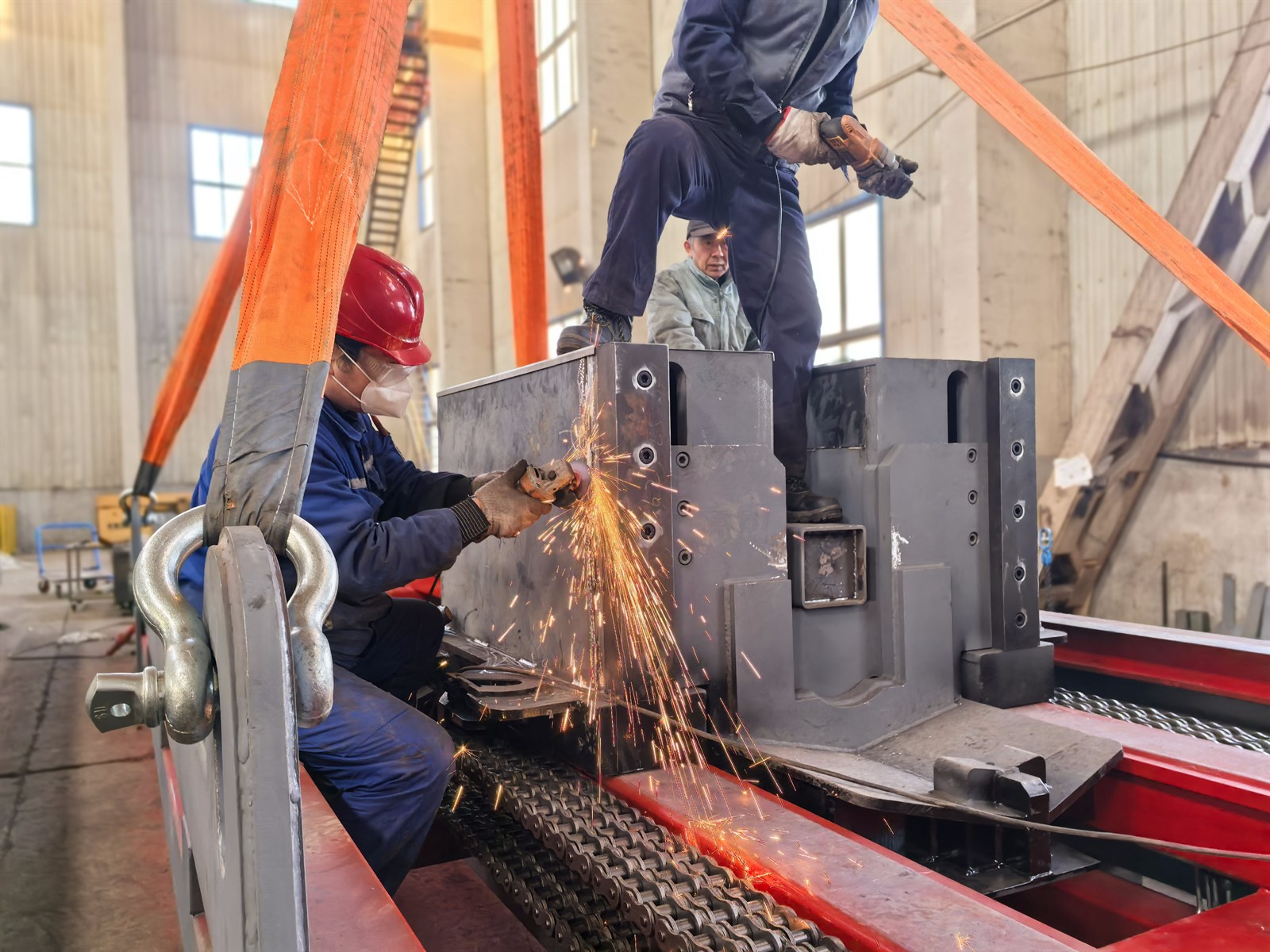
A tube bundle extractor is often mobilized for a narrow maintenance window. Once the equipment reaches a refinery turnaround or petrochemical shutdown site, there is limited time to solve mechanical, hydraulic or control problems. That is why factory acceptance checks are an important part of preparing a bundle puller for real heat exchanger maintenance work.
Factory checks do not replace site inspection or operator training. They help confirm that the machine has been assembled, adjusted and reviewed before it is packed for delivery. For maintenance contractors, EPC teams and turnaround planners, a clear pre-delivery review can reduce uncertainty when the tube bundle extractor arrives at site and has to begin work quickly.
1. Start with the Real Shutdown Work Package
A useful factory acceptance check starts with the job conditions, not only the machine specification sheet. The manufacturer should understand the planned bundle weight, bundle length, bundle diameter, pulling direction, working height, available access and preferred power type. These details help engineers review whether the selected configuration matches the practical shutdown work package.
If the extractor will serve multiple shell and tube heat exchanger units, the review should also consider movement between exchangers, transport route, lifting interface and site support method. A machine that looks suitable by rated pulling force may still need attention if the work area is narrow, elevated or shared with cleaning and inspection teams.
2. Check Structural Assembly and Critical Load Paths
Before shipment, structural parts should be checked for correct assembly, connection quality and visible manufacturing condition. This includes the frame, sliding bed, support structures, lifting points, pulling head, fixture interface and any customized components. The goal is to confirm that load-bearing parts are installed according to the approved design and are ready for final functional testing.
For heavy-duty tube bundle extraction, structural stability matters as much as peak pulling capacity. When a long bundle begins to move out of the shell, the machine must keep the pulling line controlled and support the operating load. Factory checks help identify assembly issues before the equipment is already inside a turnaround schedule.
3. Review Hydraulic, Electrical or Diesel Power Systems
Power system checks depend on the selected machine type. A diesel tube bundle extractor should be reviewed for engine start, fuel system condition, hydraulic pump response, remote operation functions and general service readiness. This is especially important for outdoor units or remote exchanger banks where external power may not be reliable.
An electric tube bundle extractor should be checked for motor operation, control cabinet wiring, cable routing, power requirements and emergency stop functions. Electric systems may be preferred in workshops or controlled maintenance areas, but the site power supply and operating restrictions must be confirmed before delivery.
4. Test Travel, Pulling and Control Functions
Factory acceptance checks should include practical movement tests where possible. Operators and inspectors should confirm that the sliding mechanism, pulling stroke, control response and machine movement behave as expected. The check does not need to simulate every site condition, but it should verify that the machine responds smoothly and predictably before shipment.
For a bundle puller, small control problems can become serious during a shutdown. Delayed response, uneven travel or unclear control logic can slow the first pull and increase pressure on the maintenance team. Functional checks help the project team understand the operating sequence before the equipment is mobilized.
5. Confirm Safety Devices and Operator Visibility
Safety checks should cover emergency stop functions, warning labels, guard condition, hose routing, cable protection and operator access. The operator must be able to control the machine while maintaining communication with the lifting crew and maintenance supervisor. Where remote control is included, the response and stop functions should be verified before delivery.
Operator visibility is also important. During tube bundle extraction, the team needs to watch the bundle movement, shell opening, support points and surrounding work zone. If the equipment layout makes observation difficult, the site plan may need spotters, additional communication or a revised operating position.
6. Check Accessories, Documents and Packing
Pre-delivery review should include the items that support site work: hydraulic hoses, cables, control devices, tooling, fixtures, spare parts, manuals, basic maintenance instructions and packing lists. Missing accessories can create delays even when the main machine is ready.
For international delivery, packaging and identification are also important. The machine should be protected for transport, and the site team should be able to identify major parts after arrival. Clear documentation helps the receiving team check the shipment before the turnaround window begins.
7. What Buyers Should Provide Before the Check
To make factory acceptance checks more useful, buyers should provide exchanger drawings, bundle dimensions, photos of the work area, access limitations, preferred power type, lifting plan requirements and any site-specific restrictions. These details help the manufacturer focus on the conditions that matter most for the actual job.
If the site has limited access, special working height, emission restrictions or unusual support requirements, these points should be discussed before final shipment. Early communication is usually much easier than solving a mismatch after equipment arrives at site.
8. How Qingwei Equipment Supports Pre-Delivery Review
Qingwei Equipment manufactures diesel and electric tube bundle extractor solutions for refinery, petrochemical and industrial heat exchanger maintenance. During project review, our engineers consider pulling force, bundle size, site access, support method, power preference and the sequence of shutdown work.
For customers planning a refinery turnaround or petrochemical maintenance project, Qingwei can review a practical tube bundle extraction solution before shipment. This helps align manufacturing, testing and site preparation around the same operating conditions.
Final Thoughts
Factory acceptance checks are not a formality. They are a practical step that connects manufacturing quality with shutdown execution. By checking structure, power systems, movement, controls, safety devices and accessories before shipment, project teams can reduce preventable problems at site.
If your team is preparing a tube bundle extraction project, send your exchanger data, site photos and schedule requirements through our contact page. You can also read more planning guidance in the Qingwei technical blog.