
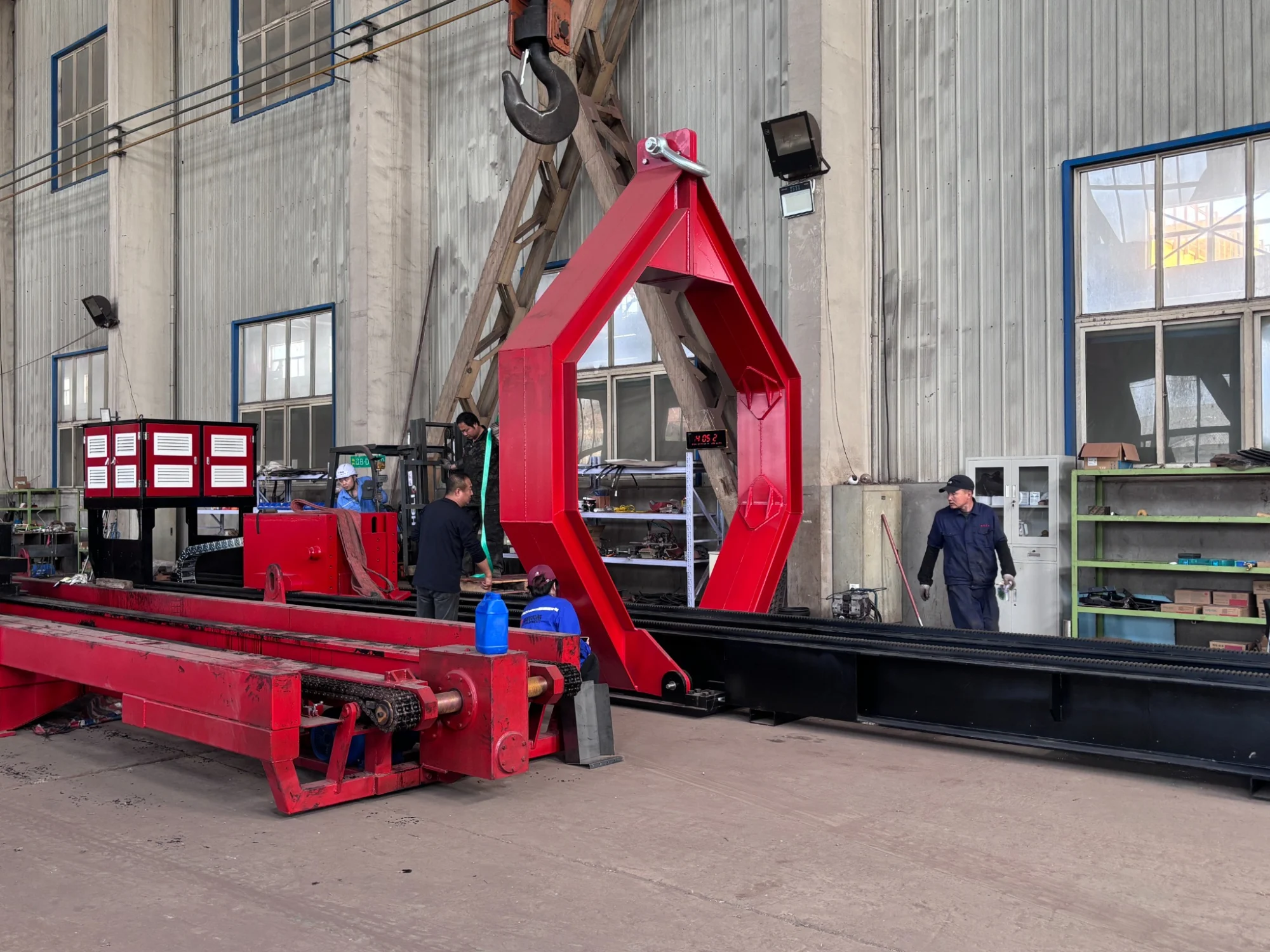
If you are planning to purchase a tube bundle extractor, one of the first questions is usually: how much does a tube bundle extractor cost?
The answer depends on much more than the equipment name alone. Two machines may both be called a tube bundle extractor, but their pricing can differ significantly because of bundle capacity, required pulling force, bundle length, diameter range, power type, site conditions, testing scope and shipping requirements.
At Qingwei, we recommend evaluating price together with the actual operating requirements of your heat exchanger maintenance work. In most cases, the most accurate quotation comes after reviewing the basic bundle data and project conditions.
If you would like to compare available product types first, you can explore our tube bundle extractor range before requesting a quotation.
Why Tube Bundle Extractor Prices Vary
A tube bundle extractor is not a one-size-fits-all product. Even when two projects appear similar, the actual machine specification may be different.
Pricing usually changes because of:
- required bundle load capacity
- required pulling force
- bundle length
- tube sheet or bundle diameter
- diesel or electric power
- standard or customized configuration
- testing requirements before shipment
- packing, shipping and delivery terms
For this reason, serious buyers typically request a quotation based on real project data rather than a single list price.
1. Bundle Capacity and Pulling Force
One of the biggest factors affecting tube bundle extractor price is the relationship between bundle capacity and pulling force.
Bundle capacity refers to the bundle weight the machine is designed to handle. Pulling force refers to the extraction force required to start and control bundle removal. These are not always the same.
For example, a bundle may weigh 45 tons, but the extraction force required can be higher because of:
- fouling or scale buildup
- corrosion
- sticking after long service
- initial breakaway resistance
- alignment conditions during extraction
This is why equipment with the same nominal bundle weight may still require different pulling-force configurations.
For a deeper explanation, you can read our pulling force selection guide.
2. Bundle Length and Diameter
Price is also influenced by the physical size of the bundle.
Two especially important dimensions are:
- bundle length
- tube sheet or bundle diameter
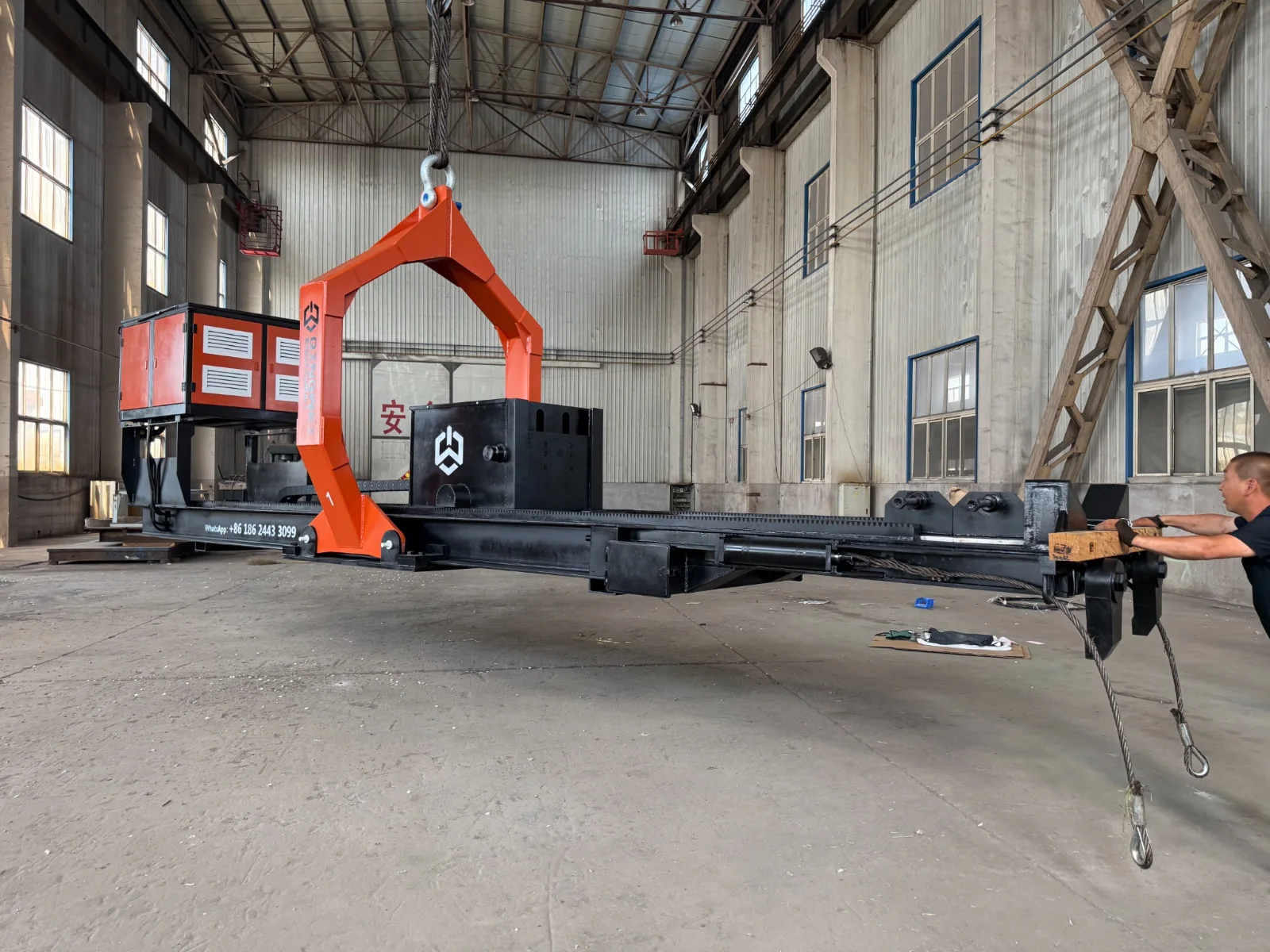
A longer bundle often means a longer machine structure, different modular coverage, and in some cases additional extension requirements. A larger diameter may affect the extractor frame, lifting geometry and working envelope.
This is why a machine designed for a shorter and smaller exchanger bundle may differ significantly from one intended for a longer and heavier refinery application.
When evaluating quotations, it is important to provide:
- maximum bundle length
- maximum bundle diameter
- exchanger or tube sheet size range
Without this information, a price can only be approximate.
3. Diesel or Electric Power
Power type is another major cost factor.
A diesel tube bundle extractor is often selected for:
- refinery turnaround work
- outdoor applications
- mobile field maintenance
- sites without stable power supply
An electric tube bundle extractor is often preferred for:
- fixed workshop environments
- indoor operation
- sites with stable electrical supply
- applications where electric drive is preferred
The difference in power system affects the machine configuration, control arrangement and supporting components, which naturally influences the quotation.
Instead of asking only for “diesel price” or “electric price,” it is better to compare the power type against the actual working environment.
4. Standard Model or Project-Specific Configuration
Tube bundle extractor prices also depend on whether the requirement fits a standard model or requires project-specific adjustments.
In many cases, a standard model from an established product range is the most efficient option. However, some projects need additional customization, such as:
- special bundle diameter range
- longer working coverage
- extension structures
- different control arrangements
- site-specific lifting or handling requirements
- transport dimensional limitations
A customized solution usually requires additional engineering and manufacturing work, which affects final cost.
This is one reason why two quotations for similar bundle capacity may still differ.
5. Additional Configuration and Site Requirements
Another important pricing factor is the required equipment configuration.
Examples include:
- front or rear extensions
- remote control requirements
- working-height considerations
- limited-access sites
- special transport or lifting arrangements
- project-specific packing requirements
In practical purchasing decisions, the machine price is often influenced not only by the extractor itself, but also by how the machine must operate at the customer’s actual site.
For this reason, clear site information helps make a quotation more accurate and more useful.
6. FAT and Delivery Terms
Price should also be evaluated together with the scope of supply before shipment.
Many buyers want more than just a machine. They also care about:
- factory assembly status
- functional checking
- load or pulling-force verification where included in the confirmed test scope
- documentation
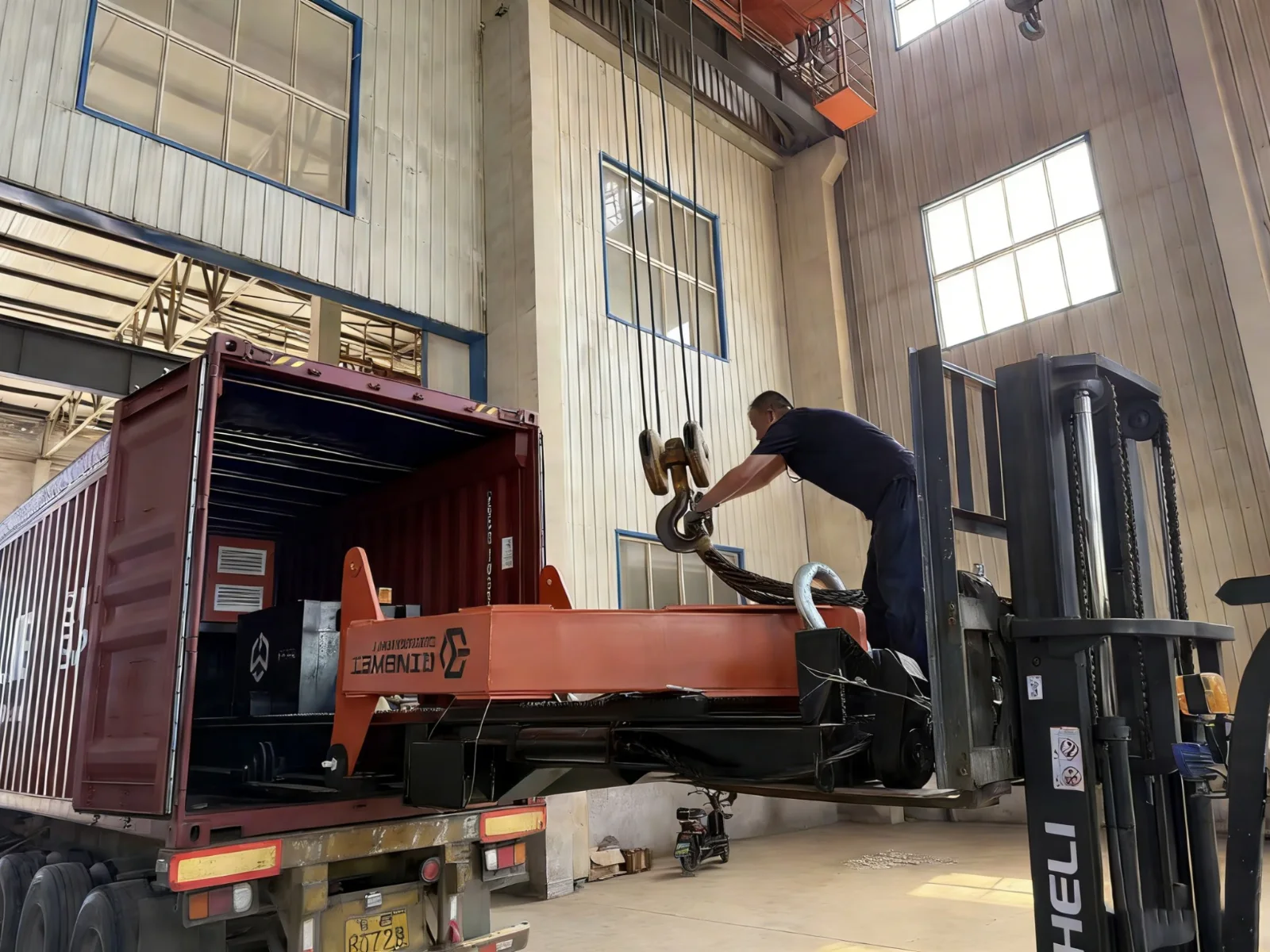
- packing and shipment preparation
This pre-shipment work adds value because it reduces uncertainty before delivery.
Delivery terms also affect the total project cost. Depending on the quotation basis, the final cost may include only manufacturing, or may also involve packing, inland handling, sea freight or other delivery-related items.
That is why it is always important to confirm whether the quotation is based on:
- EXW
- FOB
- CIF
- or another agreed delivery term
What Information Do We Need to Quote a Tube Bundle Extractor?
If you want an accurate quotation, the best approach is to send the main operating data first.
We usually recommend providing the following:
- maximum tube bundle weight
- bundle length
- tube sheet or bundle diameter
- working height or exchanger centerline height
- available working space or site photos
- diesel or electric preference
- project country or site location
- known difficult extraction history, if available
With these details, it becomes much easier to recommend the correct configuration and prepare a practical quotation.
How to Request a More Accurate Quotation
A useful tube bundle extractor quotation should not only give a price. It should also help you understand:
- which model range is suitable
- whether diesel or electric is more appropriate
- whether the pulling force is sufficient
- whether the machine dimensions match the site
- whether any special configuration is required
If you are preparing a purchase or evaluating options for an upcoming maintenance project, you can first review our tube bundle extractor range and then contact us with your bundle data.
Request a Tube Bundle Extractor Quotation
If you would like us to recommend a suitable model and prepare a quotation, please send:
- maximum bundle weight
- bundle length
- bundle diameter
- preferred power type
- site conditions
- destination country
Our team can then recommend a suitable configuration and provide a quotation based on your actual project requirements.